
PARTICIPATIONs:
SESSION NO.: 4, DATE: November 13, 2026, Friday (2nd Day), TIME: Afternoon Session
SESSION THEME: “Dental Implant Complication”
Presentation Title: “Synergy between Implantologist and Otolaryngologist in Preventing and Managing Odontogenic Sinusitis”
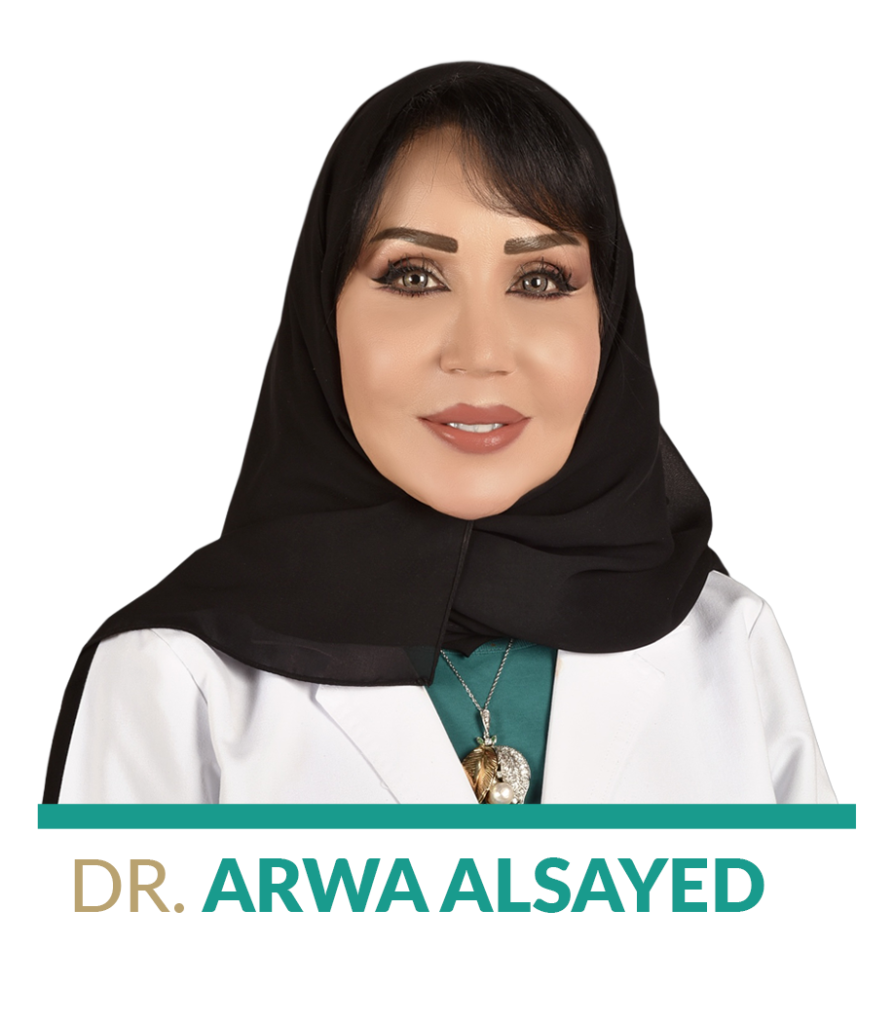
DR. ARWA ALSAYED
- Graduated from King Saud University, Riyadh, SA with honours.
- Diploma in Periodontology from Dalhousie University, Halifax, Canada.
- Master’s degree (MSc) in Dental Implants from the University of Toronto, Toronto, Canada.
- Second clinical master’s degree (MCD) in advanced Clinical Periodontology and Dental Implant from Eastman Dental Institute, University College London, London, UK
- Fellow of the American College of Dentistry, New Orleans, Louisiana, USA.
- Won King Abdulaziz’s first medal prize in the Kingdom of Saudi Arabia for discovering gene polymorphism in Drug-induced Gingival hyperplasia in Kidney transplant Patients.
- ITI Fellow, Riyadh Study Club Director, and the Head of Women Implantology Network in the Middle East.
- DConsultant in Periodontics and Dental Implants, Adjunct Professor at Genova University – Italy, and the Head of Implant Fellowship Program (SF-ID) at the Saudi Council of Health Specialties.
Lecture Abstract:
This presentation explores the critical collaboration between implantologists and otolaryngologists in the prevention, diagnosis and management of odontogenic sinusitis. As dental implant procedures in the posterior maxilla increasingly intersect with the maxillary sisus, the risk of sinus complications has become more prominent. The talk highlights shared anatomical considerations, common etiological factors, and the importance of preoperative assessment, including imaging and risk stratification. Emphasis is placed on interdisciplinary communication to minimize complications such as sinus membrane perforation, implant displacement, and infection.
Additionally, evidence-based strategies for early detection and coordinated management are discussed, including both surgical and non-surgical approaches. By fostering a synergistic approach, clinicians can improve patient outcomes, reduce morbidity, and ensure more predictable implant’s treatment success.